
Introduction:
The pervasive influence of big brands never ceases to amaze. In a recent captivating live podcast, my esteemed colleague Geovany and I embarked on an enthralling discussion surrounding Meta’s cutting-edge Quest 3 and the highly-anticipated Apple headset. Amongst my social circles, I couldn’t contain my excitement for Apple’s grand entry into mixed reality, envisioning a resurgence of virtual reality that had momentarily been overshadowed by the unstoppable tides of cryptocurrency and artificial intelligence revolutions.
A Showdown Unveiled:
Lo and behold, and as you might have heard, a mere week after our podcast, both Meta and Apple chose to unveil their technological marvels to the world. Apple, armed with its superior marketing prowess and an unwavering legion of fans, overshadowed the industry leader. However, Zuckerberg, the mastermind behind Meta, swiftly retaliated with insightful observations. He astutely pointed out that Apple’s device failed to introduce ground-breaking technological advancements that Meta hadn’t already explored. Furthermore, Zuckerberg emphasized that the Apple device did not align with his vision of how people should utilize an augmented reality/virtual reality (AR/VR) device. Undeniably, we all possess distinct visions for the future of AR/VR, with Apple’s vision still shrouded in mystery. While Meta continues its relentless innovation, bolstering its gaming portfolio, enhancing hardware, and delivering VR solutions, Apple is carving out a unique space for a different breed of creators. It’s worth noting that Apple’s ardent followers appear undeterred by the hefty $3499 price tag, even though one could equip an entire family with Meta Quest devices for that amount.
Unleashing the Potential:
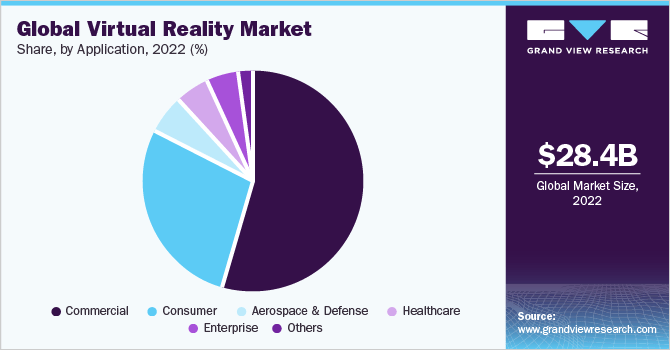
I applaud Apple for venturing beyond the confines of conventional VR and mixed reality. The already colossal $30 billion Virtual Reality industry is poised for further expansion thanks to Apple’s audacious entry. By entering the mixed reality arena, Apple has ushered in a new era of possibilities for enthusiasts worldwide. Previously, the market was dominated by a select few industry titans, including Pico, HTC, PlayStation, and Meta. However, Apple’s disruptive presence promises novel opportunities for industries like advertising, marketing, and media, as they seize the potential of Apple’s visionary Vision Pro headset. Remarkably, Apple has auspiciously granted developers until early next year to unleash their creativity and exploit the possibilities of this new mixed reality headset. The realm of spatial computing, previously accessible only to select entities like Magic Leap, is now inviting innovative developers armed with Apple’s state-of-the-art sensor technology.
Unlocking the Power of Spatial Computing:
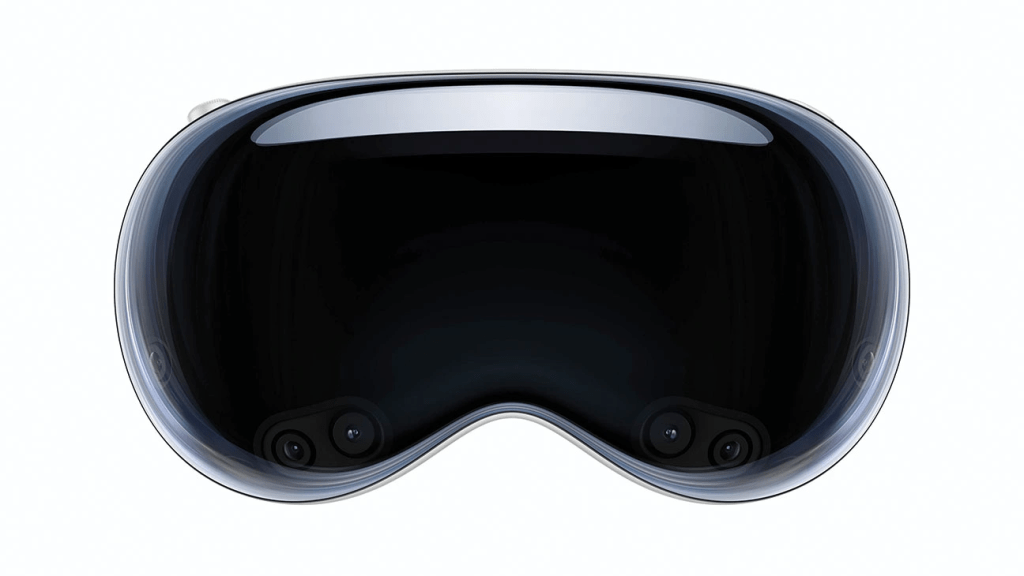
Setting itself apart from the competition, Apple’s key focus lies in spatial computing, transcending conventional VR and mixed reality experiences. Spatial computing facilitates the seamless integration of physical and digital realms, empowering users to interact with virtual objects and information within a three-dimensional space. Unlike traditional augmented reality, where 3D objects merely overlay the real world, Apple’s headset ensures the persistence of virtual objects, even when the device is powered off or the user moves away. This form of mixed reality offers deeper immersion, blurring the lines between reality and the virtual realm. The natural synergy between real-time productivity and workflow promises to revolutionize collaboration, work processes, and shared experiences. Their integration of eye tracking technology could revolutionize user experiences. Novel experiences such as Smart Scroll on a Samsung S4—has now transformed into a whole new level of immersion. This ground-breaking advancement allows a user to effortlessly navigate interfaces, explore virtual worlds, and communicate non-verbally through our eye movements. The achievements in this realm will open up endless possibilities across industries and propel us into a future where our eyes become a powerful tool for connection and immersion.
The Road Ahead:
Although the prospects are undeniably tantalizing, the wider consumer market may require a few iterations before fully embracing these futuristic solutions. Overcoming research and development challenges and addressing the price barrier remain crucial steps. While Meta has made commendable strides in resolving design issues, such as tether-less headsets and attachable components, further refinement is needed to downsize internal technology while maximizing power output. The introduction of their version of avatars in Facetime has undoubtedly sparked mixed reactions. I believe the complexities human interaction is something we are yet to fully comprehend, understanding and replicating such an experience will likely require further advancements in technology and a deeper comprehension of human behaviours. Although their efforts are notable and another stride forward to a fully integrated social experience where the richness of a face-to-face interaction cannot be indistinguishable to a virtual one.
The Excitement Builds:
It’s worth mentioning that in early 2020, Apple made a significant acquisition by purchasing NextVR for $100 million. NextVR was known for its expertise in crafting virtual experiences for live events, having collaborated with major partners such as the NBA, NHL, Fox Sports, and WWE. It is evident that Apple is taking a long-term perspective in their strategy. There has also been reports indicating that Meta have halted the development of their Quest Pro 2. This decision may be attributed to concerns about Apple’s potential dominance in the market. Instead, Meta seems to be concentrating on their consumer line of Quest headsets, a move that could work in their favour. I find myself thoroughly invigorated by Apple’s entry into the mixed reality industry and the subsequent thrust back into the limelight for associated industries. The forthcoming months hold the promise of ground-breaking developer solutions. The question that lingers is whether Apple can substantiate the lofty price tag affixed to their mixed reality headset.
Conclusion:
Before concluding, I must express my heartfelt appreciation to the exceptional team at Cape Town TV and my esteemed co-panellist, Imtiyaz Mohamed. Despite initial jitters and the intense glare of the spotlight, the production team adeptly maneuvered, ensuring seamless camera switches and a truly unforgettable experience. Regrettably, the time constraints during my panel discussion on the EKSE show limited the scope of our conversation. Thus, I trust this comprehensive recap has adequately covered the key points. Furthermore, I am immensely grateful for the behind-the-scenes photos and the indelible memory of my maiden television panel discussion.




 Brendan Louw | Lentille NU
Leave a comment